For centuries, fenugreek, a flowering herb native to Southeast Asia and the Mediterranean region, has been used in traditional medicine and culinary practices. More recently, it’s gained popularity as a natural remedy for hair growth. But does the science support this claim? Let’s delve into the potential benefits of fenugreek for hair health and explore how to incorporate it into your hair care routine.
Fenugreek’s Nutritional Powerhouse for Hair
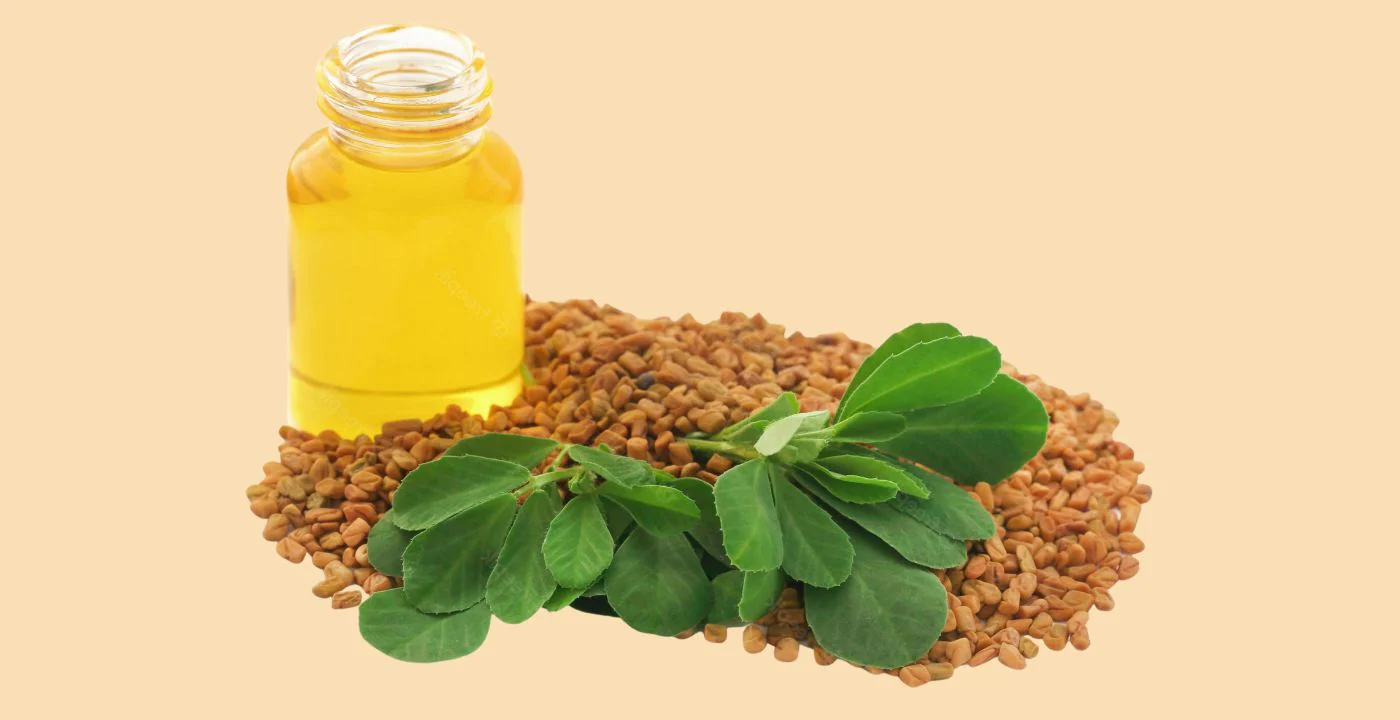
Fenugreek seeds boast a rich profile of nutrients that contribute to healthy hair growth. Here’s a closer look at some key players:
-
Protein: The building blocks of hair, protein is essential for strong, resilient strands. Fenugreek seeds are a good source of protein, providing the raw materials for hair follicles to produce healthy hair.
-
Iron: This mineral plays a crucial role in transporting oxygen to the scalp, which nourishes the hair follicles and promotes optimal hair growth. Deficiencies in iron can lead to hair loss.
-
Vitamin D: Studies suggest vitamin D receptors are present in hair follicles, and adequate levels may be necessary for hair growth. Fenugreek seeds contain small amounts of vitamin D, contributing to overall hair health.
-
Other Nutrients: Fenugreek also offers a range of other vitamins and minerals, including vitamin K, folate, and potassium, which all contribute to hair health in various ways.
In addition to these essential nutrients, fenugreek contains unique plant compounds like flavonoids and saponins. These are thought to have anti-inflammatory and antifungal properties, potentially creating a healthy scalp environment for hair growth.

The Science Behind Fenugreek and Hair Growth
While there’s a strong anecdotal tradition of using fenugreek for hair growth, scientific research is still in its early stages. However, some studies have shown promising results:
-
A 2016 study investigated the effects of a topical fenugreek seed extract on male pattern baldness. The results suggested that the extract may help stimulate hair growth and increase hair count.
-
Another study, published in 2014, looked at the effects of oral fenugreek seed consumption on hair loss in women with polycystic ovary syndrome (PCOS). The findings indicated that taking fenugreek supplements might improve hair growth in these women.
It’s important to note that these studies were relatively small and more research is needed to confirm the effectiveness of fenugreek for hair growth in the general population. Additionally, the exact mechanisms by which fenugreek might promote hair growth are still not fully understood.
Different Ways to Use Fenugreek for Hair
If you’re interested in trying fenugreek for hair growth, you have two main options:
-
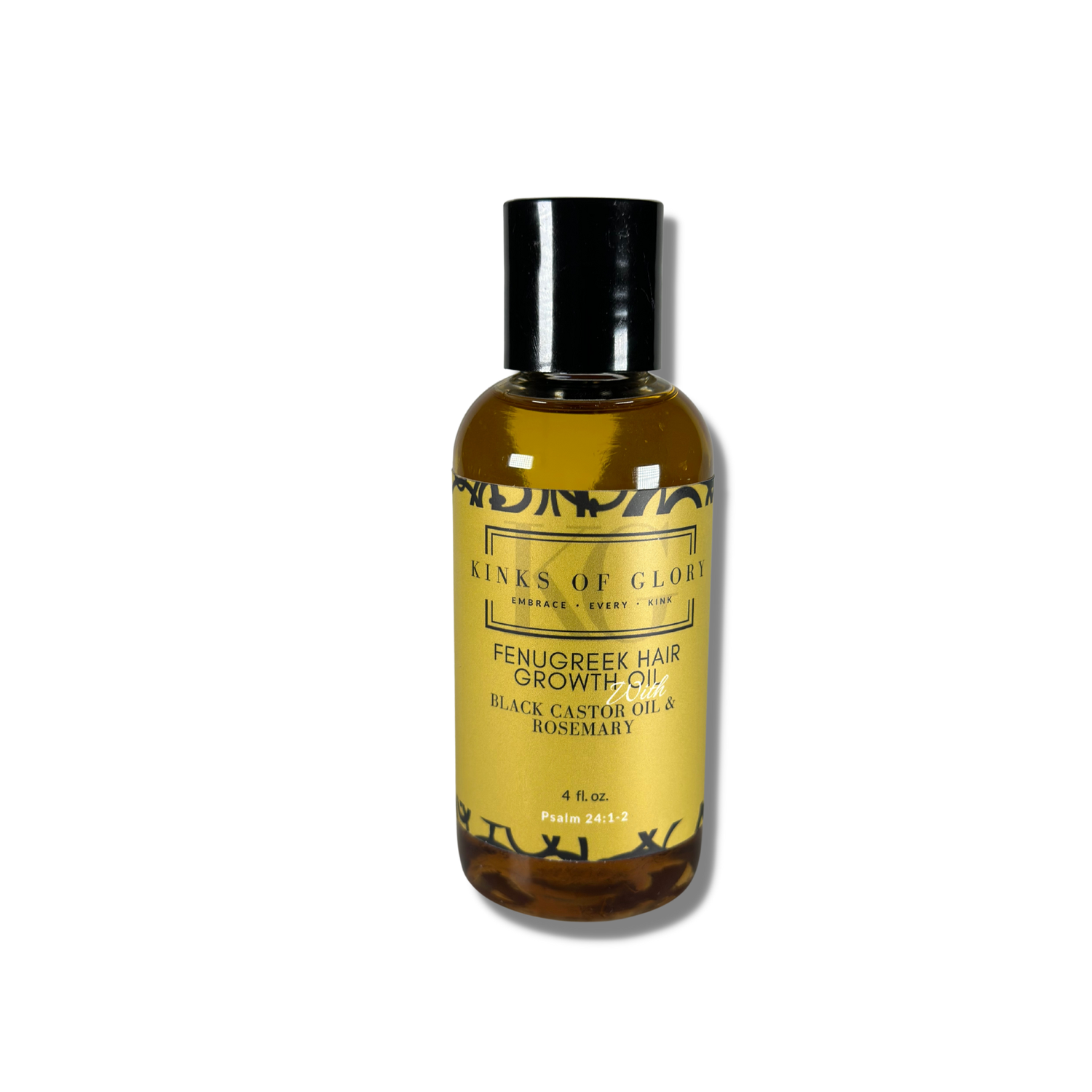
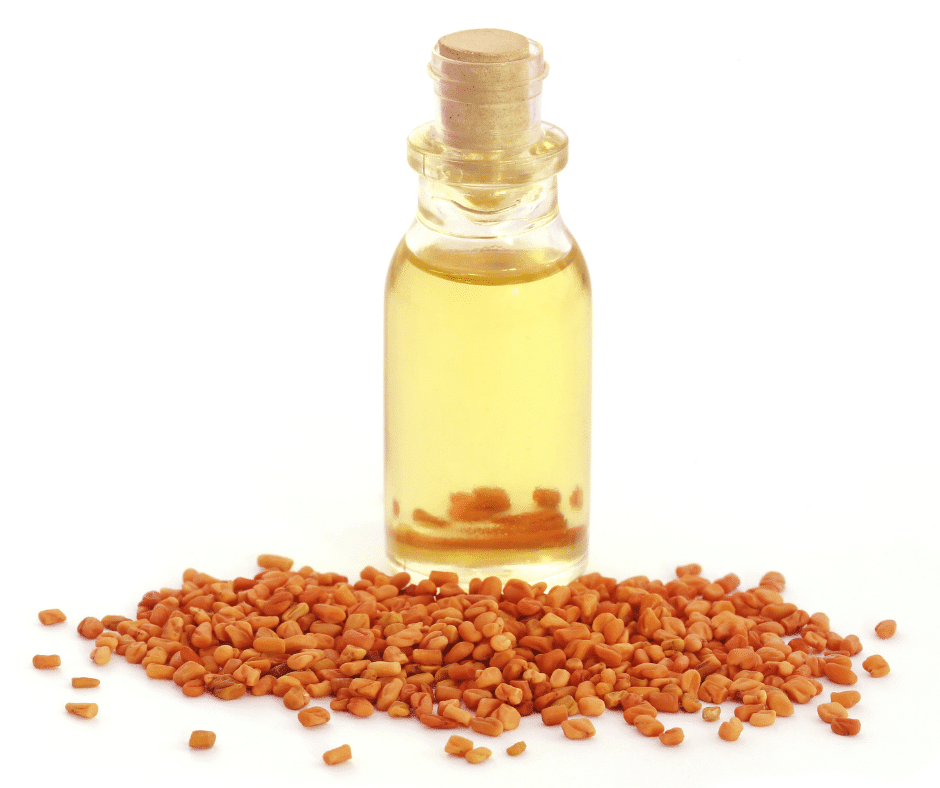
Topical Application: Soak fenugreek seeds in water overnight to create a paste. Apply the paste directly to your scalp and hair, leave it on for 30 minutes to an hour, then rinse thoroughly.
-
Oral Consumption: Fenugreek seeds can be consumed whole, ground into powder, or taken as capsules. However, it’s crucial to consult with your doctor before starting any new supplements, especially if you have any underlying health conditions or are taking medications.
Here are some additional tips for using fenugreek for hair growth:
-
Be Patient: It may take several weeks or even months to see any noticeable results with fenugreek. Consistency is key.
-
Patch Test: Before applying fenugreek topically, do a patch test on a small area of your skin to check for any allergic reactions.
-
Maintain a Balanced Diet: A healthy diet rich in essential nutrients is crucial for optimal hair growth. Fenugreek can be a helpful addition, but it’s not a substitute for a balanced approach.
Safety Considerations and Potential Side Effects
While generally considered safe for most people, fenugreek can cause some side effects, such as:
-
Digestive Issues: Fenugreek can cause bloating, gas, and diarrhea in some individuals.
-
Maple Syrup Urine Disease: People with this rare genetic disorder should avoid fenugreek.
-
Blood Sugar Levels: Fenugreek may lower blood sugar levels, so it’s important to monitor your blood sugar if you have diabetes and are using fenugreek.
-
Pregnant and Breastfeeding Women: Fenugreek may stimulate uterine contractions and is not recommended for pregnant or breastfeeding women.
If you experience any side effects while using fenugreek, discontinue use and consult your doctor.
Debunking Myths and Addressing Common Concerns
Fenugreek has become a popular natural remedy for hair growth, but with any new trend, myths and concerns can arise. Let’s separate fact from fiction and address some common questions about using fenugreek for hair health.
Myth: Fenugreek guarantees hair growth for everyone.
Reality: Research on fenugreek’s effectiveness is ongoing, and while some studies show promise, it’s not a guaranteed solution for everyone. Hair loss can have various causes, and fenugreek may not address all of them.
Concern: How long will it take to see results?
Addressing the Concern: Be patient! It can take several weeks or even months of consistent use before noticing any significant changes in hair growth with fenugreek.
Fenugreek can only be used topically.
Reality: You can use fenugreek in two ways: topically as a paste made from soaked seeds, or orally as supplements. However, consult your doctor before starting any supplements, especially if you have pre-existing health conditions.
Are there any side effects from using fenugreek?
Addressing the Concern: While generally safe, fenugreek can cause digestive issues like bloating and gas in some individuals. Additionally, pregnant and breastfeeding women, people with maple syrup urine disease, and those taking medications that affect blood sugar should avoid fenugreek. Always monitor your body’s response and consult your doctor if you experience any side effects.
A balanced diet doesn’t matter if I use fenugreek.
Reality: A healthy diet rich in essential nutrients remains crucial for optimal hair growth. Fenugreek can be a helpful addition, but it’s not a replacement for a balanced approach.
By understanding the potential of fenugreek, addressing common concerns, and using it safely, you can explore its potential benefits for your hair health. Remember, it’s always best to consult your doctor before starting any new supplement or treatment for hair loss.
Conclusion: Fenugreek – A Promising, Yet Unproven Ally
Fenugreek holds potential as a natural way to promote hair growth, thanks to its rich nutrient profile and unique plant compounds. However, the research is still in its early stages, and more studies are needed to definitively confirm its effectiveness.