Hair loss is a common concern for many people, regardless of age or gender. While there are numerous medical treatments available, many individuals are turning to natural remedies as a potential solution. These remedies, often derived from plants, herbs, and essential oils, offer a holistic approach to promoting hair growth and thickness.
Understanding Hair Loss
Before delving into natural remedies, it’s essential to understand the underlying causes of hair loss. While there are various factors, some of the most common include:
- Genetics: Hereditary hair loss, such as androgenic alopecia, is a common cause.
- Stress: Chronic stress can lead to hair shedding.
- Hormonal imbalances: Hormonal changes, like those during pregnancy or menopause, can affect hair growth.
- Nutritional deficiencies: Lack of essential nutrients like iron, zinc, and biotin can impair hair health.
- Scalp conditions: Scalp infections or disorders can hinder hair growth.
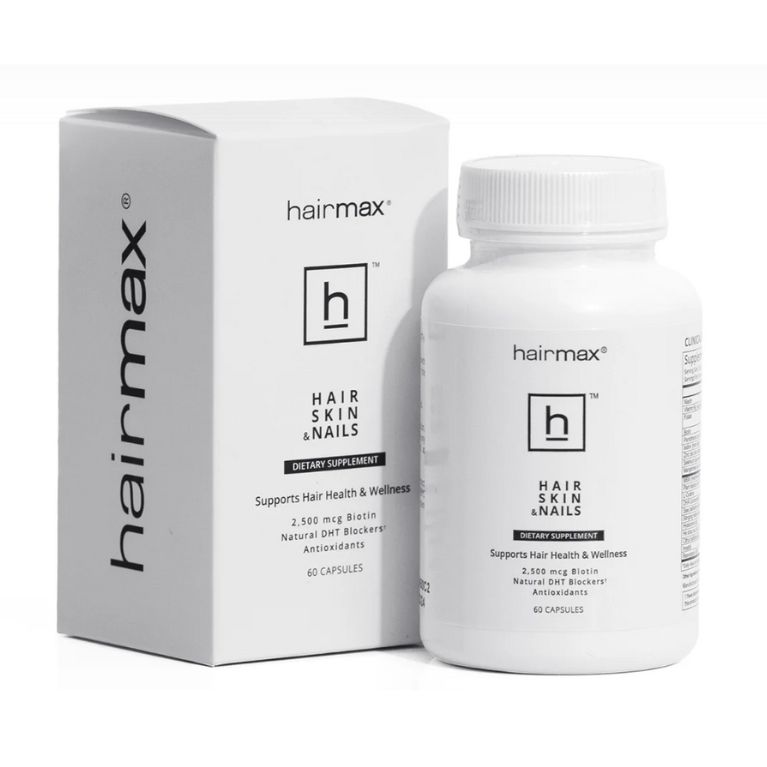
Natural Remedies for Hair Growth and Thickness
Here are some popular natural remedies that have shown promise in promoting hair growth and thickness:
Onion Juice
- Benefits: Onion juice is rich in sulfur, a mineral that can stimulate hair follicles and promote growth. It may also help reduce inflammation on the scalp.
- How to use: Extract onion juice by grating or blending onions. Apply it to your scalp and leave it on for about 30 minutes before washing it off with a mild shampoo.
Aloe Vera Gel
- Benefits: Aloe vera contains enzymes that can help nourish the scalp and promote hair growth. It also has soothing properties that can alleviate scalp irritation.
- How to use: Apply fresh aloe vera gel directly to your scalp and massage it in gently. Leave it on for 30 minutes before rinsing with cool water.
Coconut Oil
- Benefits: Coconut oil can penetrate the hair shaft and moisturize the scalp. It may also help prevent protein loss in hair.
- How to use: Warm up a small amount of coconut oil and apply it to your scalp and hair. Massage it in gently and leave it on overnight. Wash it out with a mild shampoo the next morning.
Castor Oil
- Benefits: Castor oil is rich in fatty acids that can nourish the scalp and promote hair growth. It also contains ricinoleic acid, which may help improve blood circulation to the scalp.
- How to use: Mix castor oil with a carrier oil like coconut or olive oil. Apply it to your scalp and hair, and massage it in gently. Leave it on for 30 minutes before washing it out with a mild shampoo.
Green Tea
- Benefits: Green tea contains antioxidants that can help protect the scalp and hair follicles from damage. It may also help reduce inflammation and promote hair growth.
- How to use: Brew a cup of green tea and let it cool. Apply it to your scalp and hair, and leave it on for 30 minutes before rinsing with cool water.
Fenugreek Seeds
- Benefits: Fenugreek seeds are rich in protein, iron, and folic acid, which are essential for healthy hair growth. They may also help improve scalp circulation and reduce hair fall.
- How to use: Soak fenugreek seeds overnight in water. Grind them into a paste and apply it to your scalp and hair. Leave it on for 30 minutes before washing it out with a mild shampoo.
Essential Oils
- Benefits: Essential oils like lavender, rosemary, peppermint, and cedarwood can stimulate hair follicles, improve blood circulation, and reduce scalp inflammation.
- How to use: Dilute a few drops of essential oil in a carrier oil like coconut or olive oil. Apply it to your scalp and hair, and massage it in gently. Leave it on for 30 minutes before washing it out with a mild shampoo.
Healthy Diet
- Benefits: A balanced diet rich in nutrients like protein, iron, zinc, biotin, and vitamins A, C, and E is essential for healthy hair growth.
- Foods to include: Lean meats, poultry, fish, eggs, legumes, nuts, seeds, fruits, vegetables, and whole grains.
Scalp Massage
- Benefits: Scalp massage can improve blood circulation to the scalp, stimulate hair follicles, and reduce stress.
- How to do it: Gently massage your scalp with your fingertips for a few minutes each day.
Stress Management
- Benefits: Chronic stress can lead to hair loss. Effective stress management techniques can help promote healthy hair growth.
- Techniques to try: Meditation, yoga, deep breathing exercises, and regular physical activity.
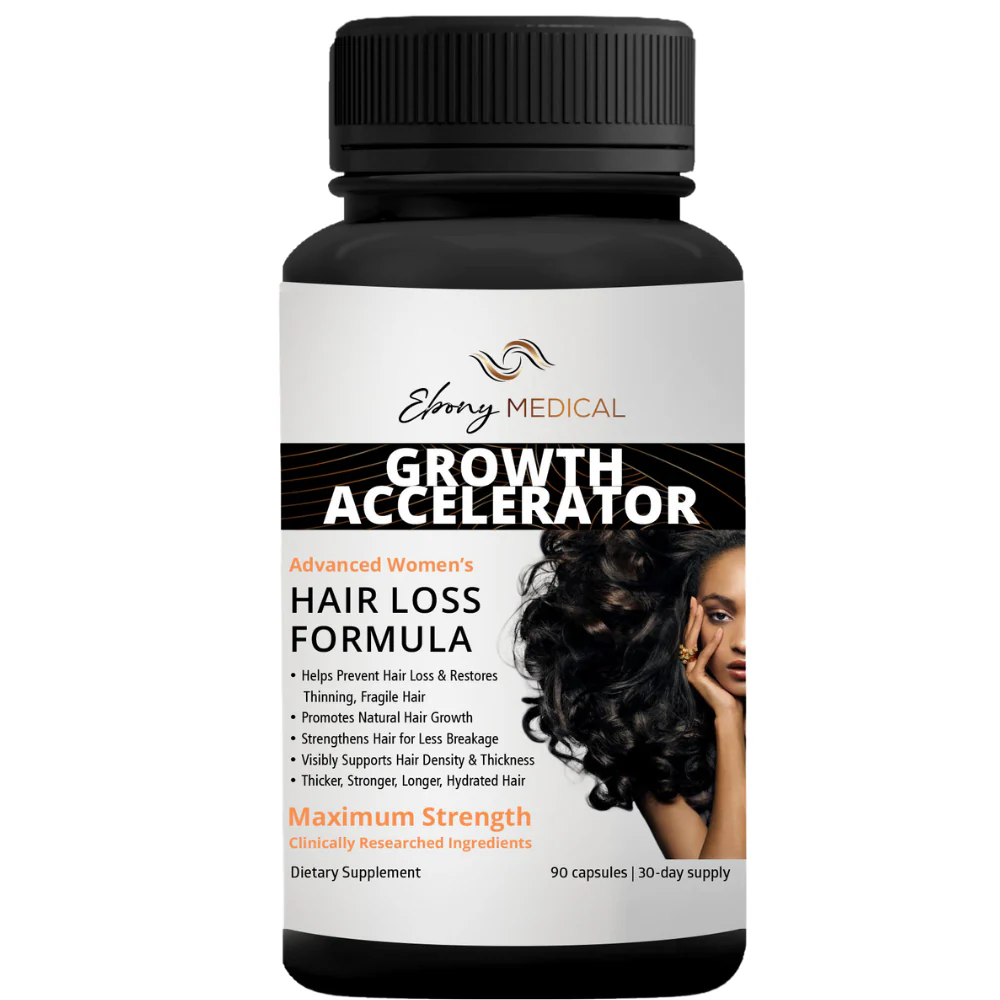
Highlight the potential risks and side effects of chemical hair treatments
Chemical hair treatments, such as hair coloring, straightening, and perming, can offer dramatic transformations but often come with potential risks and side effects. While these treatments are generally safe when performed by professionals, it’s essential to be aware of the potential consequences:
Hair Damage:
- Protein Loss: Chemical treatments can strip the hair of its natural proteins, leading to dryness, brittleness, and breakage.
- Split Ends: Repeated chemical treatments can cause the hair ends to become frayed and split.
- Hair Thinning: Over time, excessive chemical treatments can weaken the hair strands, leading to thinning or breakage.
Scalp Irritation:
- Allergic Reactions: Some individuals may experience allergic reactions to the chemicals used in hair treatments, leading to scalp irritation, redness, or itching.
- Scalp Burns: Improper application or excessive heat can cause chemical burns to the scalp.
Health Risks:
- Chemical Exposure: Exposure to certain chemicals used in hair treatments, such as formaldehyde, has been linked to health concerns, including respiratory problems and irritation.
- Long-Term Effects: The long-term effects of repeated chemical hair treatments are not fully understood, and some studies have suggested potential health risks.
Other Considerations:
- Cost: Chemical hair treatments can be expensive, especially for frequent touch-ups.
- Maintenance: Maintaining chemically treated hair often requires special care products and styling techniques.
- Temporary Results: The effects of chemical treatments are often temporary, and the hair may revert to its natural state over time.
If you’re considering chemical hair treatments, it’s important to:
- Consult a Professional: Seek advice from a qualified hairstylist who can assess your hair’s condition and recommend suitable treatments.
- Do a Patch Test: Before applying a new chemical treatment, perform a patch test on a small area of skin behind your ear to check for allergic reactions.
- Minimize Damage: Use heat protectants and avoid excessive heat styling to minimize damage to your hair.
- Consider Natural Alternatives: Explore natural hair care options, such as henna or plant-based dyes, as a less damaging alternative to traditional chemical treatments.
By understanding the potential risks and side effects of chemical hair treatments, you can make informed decisions about your hair care routine and minimize the negative consequences.
Additional Tips
- Avoid harsh chemicals: Use gentle shampoos and conditioners that are free from sulfates and parabens.
- Be patient: It may take several months to see noticeable results from natural remedies.
- Consult a healthcare professional: If you’re experiencing significant hair loss, it’s important to consult a doctor to rule out underlying medical conditions.
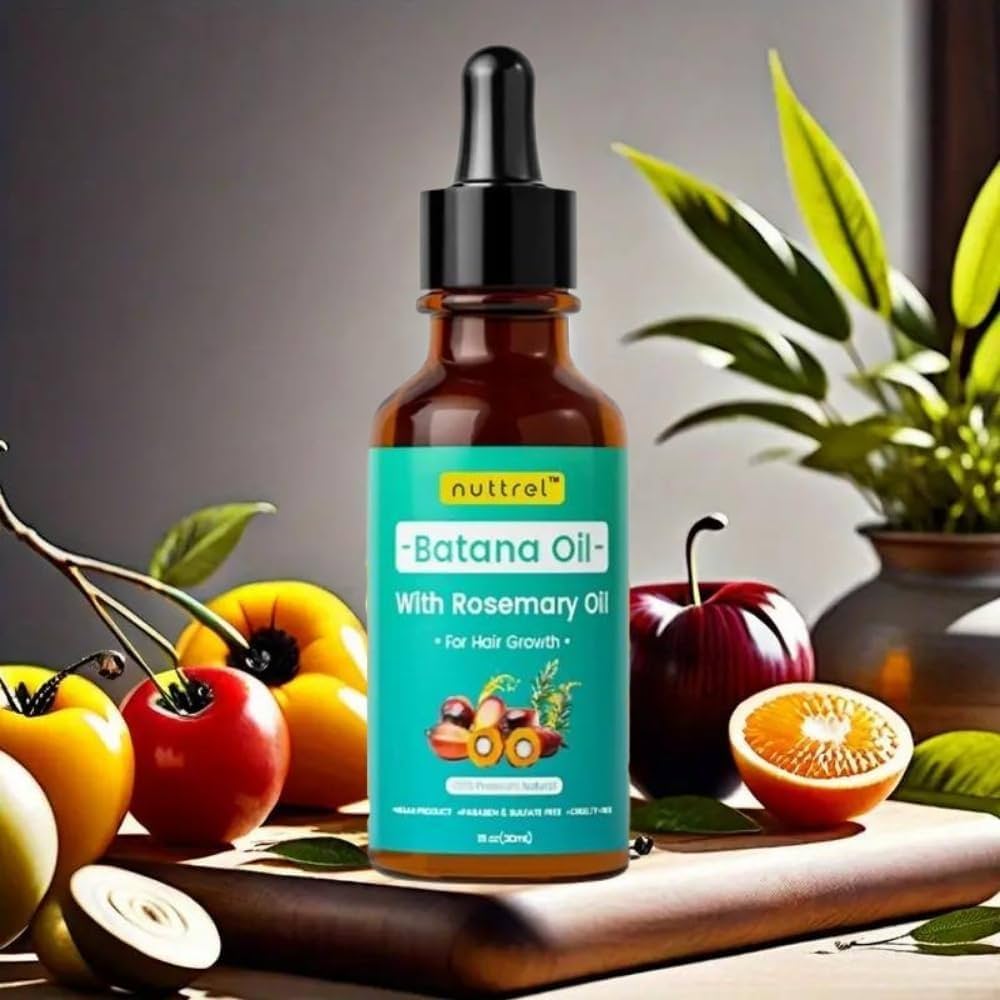
Present the idea of a holistic approach to hair care
While over-the-counter hair products can offer temporary solutions, a truly healthy head of hair requires a holistic approach that considers both external and internal factors. This approach encompasses natural products, healthy lifestyle choices, and addressing underlying causes of hair problems.
The Role of Natural Products
- Gentle Cleansing: Opt for sulfate-free shampoos and conditioners that cleanse without stripping the hair of natural oils.
- Nourishing Ingredients: Look for products containing ingredients like coconut oil, argan oil, aloe vera, and shea butter, which provide essential nutrients and moisture.
- Essential Oils: Lavender, rosemary, peppermint, and cedarwood essential oils can stimulate hair follicles, improve blood circulation, and reduce scalp inflammation.
Healthy Lifestyle Habits
- Balanced Diet: Ensure your diet is rich in protein, iron, zinc, biotin, and vitamins A, C, and E. These nutrients are essential for healthy hair growth and development.
- Hydration: Drink plenty of water to keep your scalp and hair hydrated.
- Stress Management: Chronic stress can lead to hair loss. Practice relaxation techniques like meditation, yoga, or deep breathing to manage stress.
- Regular Exercise: Physical activity improves blood circulation, which can benefit hair health.
- Gentle Styling: Avoid excessive heat styling and tight hairstyles that can damage hair.
Additional Tips:
- Protect from Sun Damage: Wear a hat or use hair products with SPF to protect your hair from the sun’s harmful rays.
- Regular Trims: Regular trims can help remove split ends and promote healthier hair growth.
- Scalp Massage: Massaging your scalp can stimulate blood flow and promote hair growth.
By combining natural products, healthy lifestyle choices, and addressing underlying issues, you can nurture your hair from the inside out. A holistic approach to hair care can result in stronger, healthier, and more vibrant hair.
Natural remedies can be a safe and effective way to promote hair growth and thickness. By incorporating these remedies into your daily routine, along with a healthy diet and stress management techniques, you may be able to improve the health of your hair. However, it’s essential to consult with a healthcare professional if you have concerns about hair loss or are experiencing significant hair thinning.