Have you ever dreamed of luscious, flowing locks? While genetics play a significant role, there are numerous ways to promote hair growth and improve its overall health. One popular approach is using natural ingredients. Let’s explore some effective hair growth recipes that you can easily incorporate into your routine.
Understanding Hair Growth
Before delving into recipes, it’s essential to grasp the basics of hair growth. Hair follicles, located in the scalp, produce new hair strands. These strands grow in cycles, consisting of three phases: anagen (growth), catagen (transition), and telogen (resting). Healthy hair growth depends on the balance and length of these phases.
Factors Affecting Hair Growth
Several factors can influence hair growth, including:
- Genetics: Hereditary factors play a significant role in determining hair thickness, texture, and growth rate.
- Nutrition: A balanced diet rich in vitamins, minerals, and proteins is crucial for healthy hair.
- Hormones: Hormonal imbalances can affect hair growth, leading to conditions like alopecia.
- Stress: Chronic stress can impact hair health and contribute to hair loss.
- Scalp Health: A healthy scalp provides an optimal environment for hair follicles to thrive.

DIY Hair Growth Recipes
Now, let’s explore some homemade recipes that can nourish your hair and promote growth:
Scalp Stimulating Masks
- Onion Mask: Onions contain sulfur compounds that can stimulate hair follicles and promote growth. Grate an onion, extract the juice, and apply it to your scalp. Leave it on for at least 30 minutes before rinsing with a mild shampoo.
- Ginger Mask: Ginger has anti-inflammatory properties and can improve blood circulation to the scalp. Grate a ginger root, extract the juice, and apply it to your scalp. Leave it on for 30 minutes before rinsing.
- Coffee Mask: Caffeine in coffee can stimulate hair follicles and prolong the growth phase. Brew strong coffee, let it cool, and apply it to your scalp. Leave it on for 20-30 minutes before rinsing.
Nourishing Hair Masks
- Avocado Mask: Avocados are rich in healthy fats and vitamins that can moisturize and strengthen hair. Mash a ripe avocado, add a tablespoon of coconut oil, and apply it to your hair. Leave it on for 30 minutes before rinsing.
- Egg Mask: Eggs are a great source of protein, which is essential for hair growth. Beat an egg, add a tablespoon of honey, and apply it to your hair. Leave it on for 20-30 minutes before rinsing with cold water.
- Aloe Vera Mask: Aloe vera has soothing and healing properties that can promote hair growth and reduce scalp irritation. Extract the gel from an aloe vera leaf and apply it to your scalp and hair. Leave it on for 30 minutes before rinsing.
Hair Growth Oils
- Coconut Oil: Coconut oil can penetrate the hair shaft and moisturize both the hair and scalp. Warm a tablespoon of coconut oil and massage it into your scalp and hair. Leave it on overnight before washing it out.
- Castor Oil: Castor oil is rich in fatty acids that can promote hair growth and thickness. Warm a tablespoon of castor oil and massage it into your scalp and hair. Leave it on for at least 30 minutes before washing it out.
- Rosemary Oil: Rosemary oil is believed to stimulate hair follicles and improve blood circulation to the scalp. Dilute a few drops of rosemary oil with a carrier oil like coconut oil and massage it into your scalp.
Properties of green tea and peppermint oil for promoting hair growth
Green tea and peppermint oil are two natural ingredients that have been gaining popularity for their potential benefits for hair growth. Let’s explore their properties and how they can contribute to healthier, thicker hair.
Green Tea
Green tea is rich in antioxidants, particularly catechins, which can help protect your hair from damage caused by free radicals. These antioxidants can also stimulate hair follicles and prolong the growth phase of the hair cycle. Additionally, green tea contains caffeine, which has been shown to block DHT, a hormone that can cause hair loss.
Peppermint Oil
Peppermint oil is known for its cooling and refreshing properties, but it also has several benefits for hair growth. It can improve blood circulation to the scalp, which can nourish hair follicles and promote growth. Peppermint oil also has antibacterial and antifungal properties, making it helpful for treating scalp conditions that can hinder hair growth.
Benefits of Combining Green Tea and Peppermint Oil
When combined, green tea and peppermint oil can create a powerful hair growth treatment. The antioxidants in green tea can help protect your hair, while the peppermint oil can stimulate blood flow and promote growth. This combination can potentially:
- Promote hair growth: By nourishing hair follicles and improving blood circulation.
- Reduce hair loss: By blocking DHT and protecting hair from damage.
- Improve scalp health: By treating scalp conditions and reducing inflammation.
- Add shine and luster: By providing antioxidants and nutrients to the hair.
How to Use Green Tea and Peppermint Oil for Hair Growth
You can use green tea and peppermint oil in various ways:
- Hair rinse: Brew a strong cup of green tea and let it cool. Add a few drops of peppermint oil and use the mixture as a final rinse after shampooing and conditioning.
- Hair mask: Combine brewed green tea with a carrier oil like coconut or olive oil. Add a few drops of peppermint oil and apply the mask to your scalp and hair. Leave it on for 20-30 minutes before rinsing.
- Scalp massage: Dilute a few drops of peppermint oil with a carrier oil and massage it into your scalp. This can help improve blood circulation and stimulate hair growth.
While green tea and peppermint oil can be beneficial for hair growth, individual results may vary. If you have any underlying hair loss conditions or concerns, it’s always best to consult with a healthcare professional.

Additional Tips for Hair Growth
- Maintain a Healthy Diet: Consume plenty of fruits, vegetables, whole grains, and lean proteins to provide your hair with essential nutrients.
- Protect Your Hair: Use heat protectants when styling your hair and limit the use of harsh chemicals.
- Get Regular Trims: While trims may not promote hair growth, they can help eliminate split ends and keep your hair looking healthy
- Manage Stress: Practice stress-reduction techniques like meditation, yoga, or deep breathing to support overall hair health.
Explanation of the role of nutrition in hair growth
Building Blocks of Hair
Hair is primarily composed of a protein called keratin. This protein is made up of amino acids, which your body obtains from the food you eat. A balanced diet that provides adequate protein is essential for healthy hair growth and strength.
Key Nutrients for Hair Health
- Protein: Besides keratin, protein also plays a role in cell growth and repair, which is crucial for hair follicle health. Lean meats, poultry, fish, eggs, dairy products, legumes, nuts, and seeds are excellent sources of protein.
- Iron: Iron is essential for the production of red blood cells, which carry oxygen to your hair follicles. A deficiency in iron can lead to hair loss. Iron-rich foods include lean meats, seafood, legumes, dark leafy greens, and fortified cereals.
- Zinc: Zinc is involved in cell growth and repair, as well as the maintenance of oil-secreting glands attached to the hair follicle. Zinc deficiency can contribute to hair shedding. Good sources of zinc include meat, eggs, milk, nuts, seeds, legumes, and whole grains
- Biotin: Biotin is a B vitamin that helps metabolize protein, which is important for hair growth. Biotin-rich foods include eggs, nuts, seeds, and sweet potatoes
- Omega-3 Fatty Acids: These healthy fats can help nourish your scalp and promote hair growth. Fatty fish, flaxseeds, chia seeds, and walnuts are good sources of omega-3 fatty acids.
- Vitamins A, C, D, and E: These vitamins are antioxidants that help protect your hair from damage and promote scalp health. They can be found in fruits, vegetables, nuts, seeds, and whole grains.
Incorporating Hair-Healthy Foods into Your Diet
To support hair growth, aim for a balanced diet that includes a variety of nutrient-rich foods. Consider these tips:
- Eat a rainbow of fruits and vegetables: These are excellent sources of vitamins, minerals, and antioxidants.
- Include lean protein sources: Opt for fish, poultry, beans, and nuts.
- Choose whole grains over refined grains: Whole grains provide fiber, vitamins, and minerals.
- Limit processed foods and sugary drinks: These can be detrimental to overall health, including hair health.
- Stay hydrated: Drink plenty of water to keep your body and scalp hydrated.
By providing your body with the essential nutrients it needs, you can support healthy hair growth and maintain luscious locks.
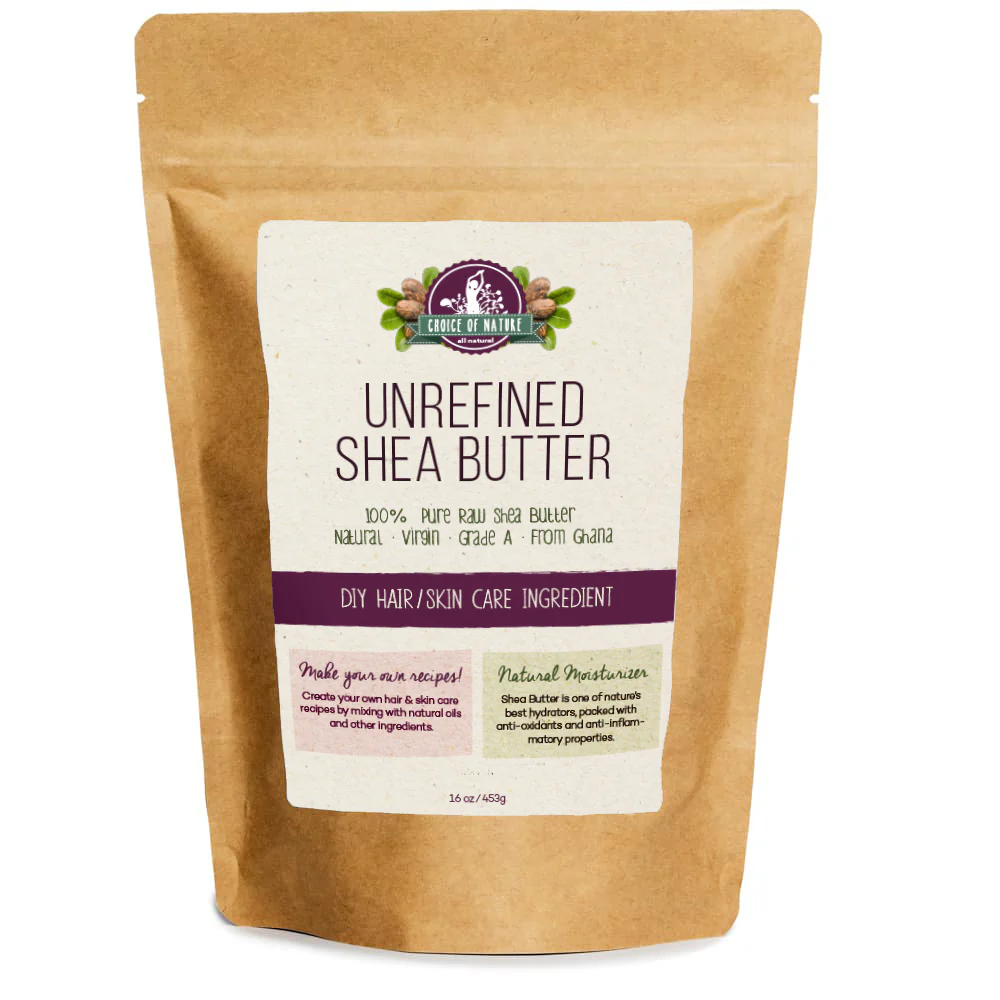
By incorporating these hair growth recipes and following healthy hair care practices, you can nurture your locks and achieve your desired length and volume. Remember, consistency is key. Be patient and give these methods time to work their magic. Your hair will thank you for the extra attention!