Unveiling the Baking Soda Myth
The idea that baking soda can promote hair growth is unfounded. This myth persists, but lacks scientific support. Many believe that a clean scalp can enhance hair growth. Thus, they argue that baking soda, known for its cleaning properties, can benefit the scalp. However, this is a misconception. Baking soda, also known as sodium bicarbonate, is a common household item. It works well for cleaning purposes due to its abrasive nature. Yet, its effects on hair health are not as favorable. Baking soda’s high pH level can disrupt the scalp’s acidity. This imbalance may lead to more harm than good. Instead of nourishing, it can strip hair of natural oils and cause damage. In short, baking soda is not a magic solution for hair growth. It cannot address underlying causes of hair loss, such as genetics or hormonal factors. To promote hair health, it is crucial to use products designed for hair care. These products should maintain the scalp’s natural balance. Proper scalp care encourages healthier hair, not harsh cleaning agents. When seeking to improve hair growth, it’s important to look beyond myths. Stick to methods backed by scientific evidence for the best results.
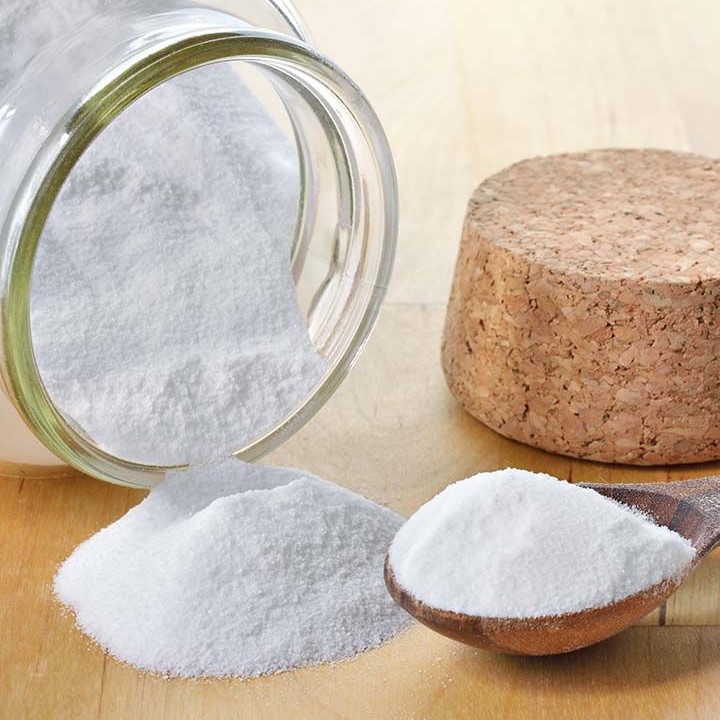
The Risks of Using Baking Soda on Hair
While baking soda is a versatile household cleaner, using it on your hair can pose risks. The abrasive nature of baking soda may lead to hair damage when used as a cleanser. Here are several potential hazards to be aware of before considering baking soda as a hair care option:
- High pH Levels: Baking soda’s pH level is much higher than that of the scalp. This imbalance can disturb the scalp’s natural acidity. An altered pH can weaken the hair shaft, leading to breakage and frizz.
- Stripping Natural Oils: The scalp produces natural oils to protect and nourish hair. Baking soda can strip away these essential oils, leaving the hair dry and brittle.
- Scalp Irritation: If used incorrectly, baking soda can cause scalp redness, itching, or inflammation. This is often due to its abrasive texture and high alkalinity.
- Ineffective Hair Growth Solution: There is no evidence that baking soda promotes hair growth. It cannot address hereditary hair loss or other underlying issues.
Instead of reaching for baking soda, opt for hair products formulated for safe and gentle hair cleansing. Preserve the health of your hair by choosing ingredients that support, rather than disrupt, your scalp’s natural balance.
Understanding the Scalp’s Natural pH Balance
Maintaining a balanced scalp pH is crucial for healthy hair. The scalp’s natural pH typically ranges from 4.5 to 5.5. This slightly acidic environment supports hair integrity and prevents bacterial and fungal growth. Alkaline products, like baking soda, have a higher pH, usually around 8 or 9. Such products disturb the scalp’s pH, which can damage hair and lead to issues such as dryness and breakage.
Using products that align with the scalp’s natural acidity is vital for preserving the protective barrier. This barrier keeps moisture in and harmful bacteria out. When the pH balance is upset, the cuticle, or outer hair layer, lifts. This results in moisture loss, tangles, frizziness, and a lack of shine. To avoid disrupting the pH balance, select shampoos and conditioners formulated to match the scalp’s natural pH. Additionally, rinses like diluted apple cider vinegar can help restore the scalp’s acidity after using alkaline products, albeit such use should be limited and cautious.
Here are key points to remember about scalp pH balance:
- Natural pH Level: Keeping the scalp’s pH between 4.5 and 5.5 is ideal.
- Effect of High pH: Alkaline substances can raise the scalp’s pH and cause harm.
- Choosing Right Products: Pick hair care items with pH levels close to that of the scalp.
- Apple Cider Vinegar Rinses: Can help neutralize pH after using alkaline products, yet use sparingly.
By understanding the importance of pH balance, one can make better choices on how to use baking soda for hair growth and overall hair health. Stick to products and routines that protect your hair’s natural environment for the best care.
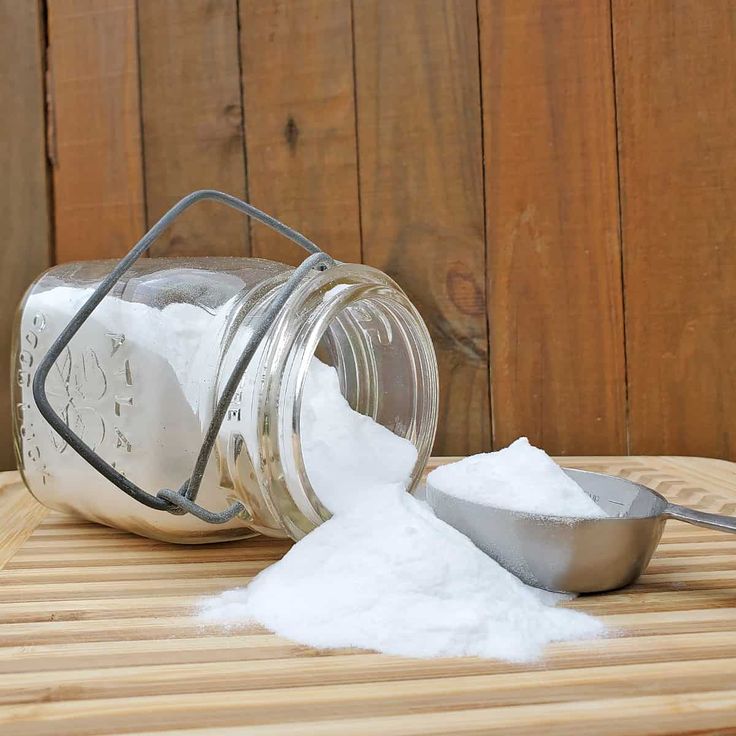
Alternatives to Baking Soda for Hair Cleansing
Given the potential risks involved with using baking soda for hair cleansing, exploring alternatives that ensure safety and effectiveness is crucial. Let’s delve into some safer and more hair-friendly options for keeping your scalp and hair clean:
- Gentle Clarifying Shampoos: Opt for shampoos specifically designed to clarify the scalp. These are formulated to remove buildup without stripping natural oils.
- Apple Cider Vinegar Rinse: Although it should be used sparingly, an apple cider vinegar rinse can help balance the scalp’s pH after cleansing. Mix it with water and apply post-shampoo.
- Co-washing Products: Conditioner-only washing, known as co-washing, can be a gentler alternative. It cleanses the hair while maintaining its natural moisture.
- Tea Tree Oil Infused Products: Shampoos or conditioners infused with tea tree oil offer antimicrobial benefits, helping to keep the scalp clean and balanced.
- Aloe Vera-Based Cleansers: Aloe vera naturally soothes and moisturizes the scalp. Look for cleansers that use aloe as a primary ingredient.
Each of these alternatives respects the scalp’s natural balance and provides a safer approach to hair cleansing than using baking soda. Always choose products suited to your specific hair type and consult with a dermatologist or hair care specialist if unsure.
Scientifically-Approved Hair Loss Treatments
For those facing hair loss, choosing treatments with scientific backing is vital. There are two main treatments approved by regulatory bodies for male hair loss. These treatments have been tested rigorously and show significant results with regular use. Here’s what you need to know about these verified options:
- Minoxidil: This topical solution stimulates hair follicles, aiding in hair regrowth. It’s applied directly to the scalp and is suitable for both men and women.
- Finasteride: Finasteride works by inhibiting the production of DHT, a hormone linked to hair loss. It’s an oral medication prescribed for male pattern baldness.
It’s essential to use these treatments as directed. Consulting a hair loss specialist can provide personalized advice. They can recommend the best approach based on your condition. Combining treatments often yields better outcomes. Remember, consistency is key in seeing results when treating hair loss.
While these treatments are effective, they also require commitment. Hair growth is a slow process, and benefits emerge over time. Patience and adherence to the prescribed routine are crucial. If you’re experiencing hair loss, talk to a doctor. They can guide you towards the right treatment and help you set realistic expectations.
Do not rely on myths like using baking soda for hair growth. Trust scientifically-approved treatments for safe and effective results.
Natural Remedies and Adjunct Therapies
While exploring hair loss solutions, it’s tempting to turn to natural remedies. Yet, it’s crucial to be cautious. Many natural treatments lack strong scientific backing. Still, some people might find them useful as supplementary support.
Saw Palmetto: A Potential Natural DHT Blocker
Saw palmetto is one natural option sometimes discussed. It’s thought to block 5-alpha-reductase. This enzyme helps convert testosterone to DHT, a hormone linked to hair loss. However, the evidence for its effectiveness is not conclusive.
Essential Oils: Limited Evidence but Popular
Essential oils, like lavender or rosemary, are another choice. Some believe these oils can boost hair health. But, proof of their efficacy is limited. Regardless, they are often used in scalp massages.
A Balanced Diet: Good for Overall Health
A balanced diet can assist hair health. Foods rich in vitamins and minerals do support general well-being. This can have a positive impact on hair growth.
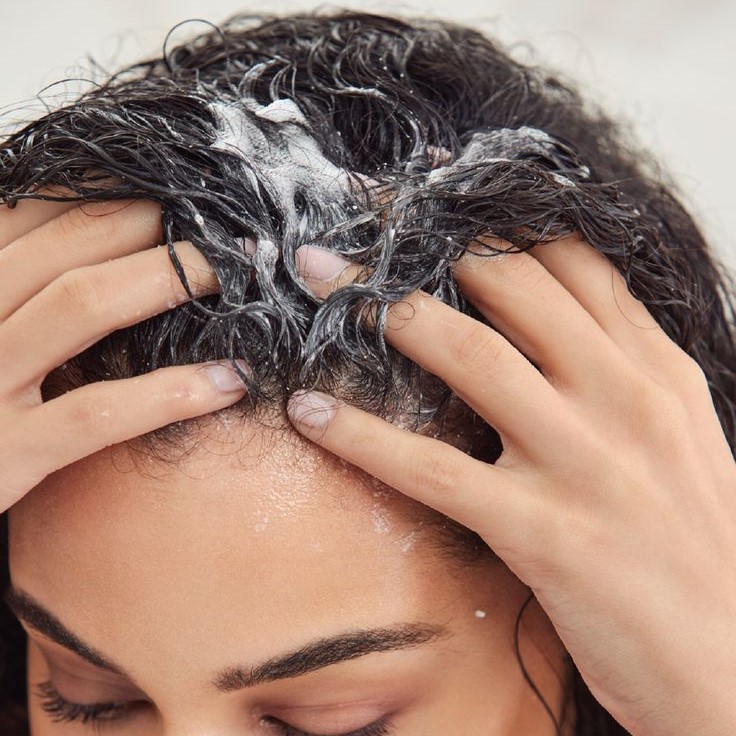
Supplements: A Helping Hand
Hair supplements may also play a role. They often contain vitamins and other nutrients that could support hair health. Yet, they should not replace main treatments.
Natural remedies can be a part of your hair care. But, for significant hair loss, they should be an addition, not a replacement. Always consult with a professional before beginning any new treatment.
Guidance for Those Seeking Hair Loss Solutions
When experiencing hair loss, always seek professional advice first. Hair loss can stem from many causes, including genetics and lifestyle factors. Identifying the cause is crucial to choosing the correct treatment. Here are some steps to guide those seeking solutions for hair loss:
- Consult with Specialists: Hair loss experts or dermatologists can offer comprehensive assessments and suggest effective treatments.
- Consider Tested Treatments: Embrace treatments that have scientific backing, such as Minoxidil or Finasteride for male pattern baldness.
- Maintain a Healthy Lifestyle: Proper diet and stress management can improve overall scalp health and potentially reduce hair loss.
- Monitor Treatment Effects: Keep track of your progress with any treatment. Adjust as necessary in consultation with your healthcare provider.
- Explore Adjunct Therapies: Investigate natural remedies or supplements that may support your main treatment plan.
- Stay Informed: Research and stay updated on new treatments and breakthroughs in hair care science.
By following these guidelines, you can approach hair loss with a proactive and informed strategy. Remember, dealing with hair loss is a journey, and patience and persistence are key. Always keep your hair care routine aligned with professional advice for optimal results.
Creating a Safe and Effective Hair Care Routine
When aiming for hair growth, safety and effectiveness are key. A safe hair care routine begins with understanding your scalp’s needs. Here’s how to create one:
- Gentle Cleansing: Choose shampoos that clean without stripping hair oils. Look for mild, pH-balanced formulas.
- Regular Conditioning: Use conditioners that add moisture and protect the hair shaft. They help keep hair smooth and manageable.
- Scalp Massages: Stimulate your scalp with gentle massages. This can boost blood flow and promote hair health.
- Avoid Harsh Chemicals: Skip products with strong sulfates and alcohols. These can dry out your hair and scalp.
- Reduce Heat Styling: Limit the use of hot tools. Too much heat can damage hair over time.
- Trim Split Ends: Get regular trims to prevent split ends from traveling up the hair shaft.
By focusing on these steps, you encourage hair strength and growth without harsh treatments. Remember to be patient. Hair grows slowly, and taking care of it is a daily process. And always seek a professional’s advice before trying new products or routines.