The Role of Testosterone in Hair Growth
Testosterone, a vital male hormone, plays a significant role in hair growth. This hormone helps regulate the production of hair on men’s bodies and faces. However, its effect on scalp hair is more complex. To understand how testosterone influences hair patterns, we need to look at dihydrotestosterone (DHT), a derivative of testosterone.

DHT binds to scalp follicle receptors, affecting the hair growth cycle. High levels of DHT can lead to the shrinking of hair follicles. This results in thinner hair and can eventually stop hair growth in some men. On the other hand, testosterone can also support facial and body hair growth, explaining why men can have abundant facial and body hair but experience thinning on their scalp.
The balance of testosterone is crucial to maintain healthy hair growth. Normal testosterone levels help keep hair follicles active. They support the growth of terminal hairs, which are thick and pigmented. These are typically seen in beards and chest hair in males.
Men wondering whether ‘does testosterone increase hair growth in male’ — the answer isn’t straightforward. It depends on the type of hair and genetic predisposition to hormonal patterns. While testosterone can promote facial and body hair, its impact on scalp hair varies greatly among individuals.
Age also plays a role, as testosterone production changes with time. Teenage years often see a spike in hair growth due to increased hormone levels. As men age, testosterone levels can fluctuate, affecting hair growth and health.
Ensuring a balanced level of testosterone is key for maintaining hair health. A proper diet, regular exercise, and avoiding stress contribute to stabilizing hormone levels. Medical conditions that affect hormone balance should be managed under professional guidance.
In summary, testosterone’s role in hair growth is dual-natured and depends on numerous factors. Recognizing the difference between its effects on body hair and scalp hair is essential for understanding male hair growth dynamics.
How Testosterone Influences Male Pattern Baldness
Male pattern baldness (MPB) is largely influenced by testosterone. Especially, it’s driven by dihydrotestosterone (DHT), a powerful derivative of testosterone. When the body converts testosterone into DHT, the DHT binds to receptors in hair follicles predominantly on the scalp. This binding initiates a process known as follicular miniaturization.
In this process, the hair follicles shrink over time, leading to thinner and shorter hair. Eventually, these affected follicles may stop producing hair altogether. This progression is gradual and can vary significantly from one individual to another. Factors such as genetic predisposition play crucial roles in determining the severity and onset of balding.
It’s important for men to understand that while testosterone facilitates body and facial hair growth, its derivative DHT can have the opposite effect on scalp hair. Men experiencing early signs of hair thinning or loss might want to assess their hormone levels. Also, lifestyle choices can contribute to hormone balance and potentially impact hair health. Eventually, maintaining moderated testosterone levels might aid in managing the effects of male pattern baldness.
Understanding Androgenetic Alopecia
Androgenetic alopecia, also known as male pattern baldness, is common in men. This condition results from genetic and hormonal factors. It primarily involves the action of dihydrotestosterone (DHT), a derivative of testosterone. Most men notice hair thinning and a receding hairline as early symptoms.
DHT affects the hair follicles on the scalp. It causes them to shrink, leading to thinner hair strands. Over time, these follicles may stop producing hair. The severity and pattern of hair loss can vary. They depend much on genetic predisposition.
Men often ask, ‘does testosterone increase hair growth in male?’. The answer varies for scalp hair due to DHT. Despite testosterone’s role in body and facial hair, its impact on scalp hair can be adverse. Understanding this helps in managing expectations and treatment approaches.
Testosterone’s Effect on Different Types of Hair
Testosterone impacts various hair types in men differently. While the hormone can stimulate growth of facial and body hair, scalp hair responds in another way. Men’s beards and chest hair typically become thicker and more pronounced with the influence of testosterone. This is evident during puberty and can be seen through increased hairiness.
Scalp hair, however, has a unique reaction to testosterone and its derivative DHT. Instead of promoting growth, DHT can cause follicles to shrink. This leads to the common problem of thinning hair or balding in males. Not every man experiences this the same way, as genetics modulate the effect of testosterone on scalp hair.
Understanding testosterone’s role in hair patterns is important. This can help men navigate hair health throughout their lives. It’s also essential to disentangle the myths around ‘does testosterone increase hair growth in male’. It’s clear that results can vary across different hair types.
For those concerned about hair loss or excess body hair, keeping an eye on testosterone levels is advised. Factors such as age, diet, and stress can influence these hormone levels. Effective management can support overall hair health, whether that’s on the scalp, face, or body.
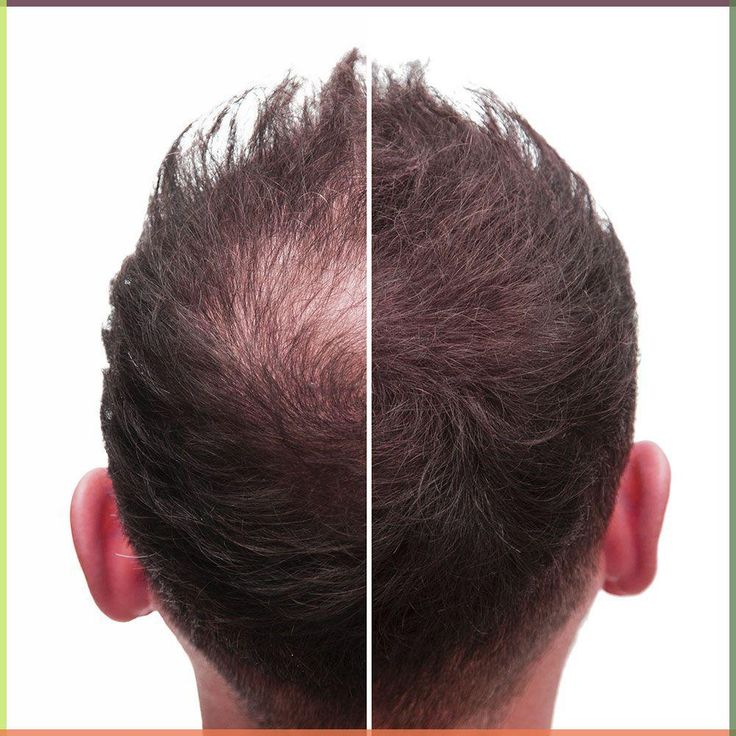
To summarize, testosterone supports the growth of body and facial hair but may have a contrasting effect on scalp hair. Individual factors greatly determine hair growth dynamics, and these differences must be respected when addressing hair-related concerns.
Factors That Affect Testosterone Levels and Hair Growth
Several key factors influence testosterone levels and, as a result, can impact hair growth in males. Here is an overview of the most significant elements:
- Age: As men age, their testosterone levels naturally decline. This reduction could lead to changes in hair growth patterns over time.
- Diet and Nutrition: A balanced diet with adequate protein, vitamins, and minerals is crucial for hormone production. Deficiencies in certain nutrients can affect testosterone levels and hair health.
- Exercise: Regular physical activity helps maintain healthy testosterone levels. However, over-exercising might lead to hormonal imbalances that impact hair growth.
- Stress: Chronic stress can disrupt hormone balance, including testosterone. Stress management techniques can be vital in maintaining hair health.
- Sleep: Quality sleep is essential for hormone production, including testosterone. Poor sleep patterns can negatively influence hair growth.
- Health Conditions: Certain medical conditions, like hypogonadism, can lead to low testosterone levels. Managing these conditions is important for overall health and hair maintenance.
Men often query, ‘does testosterone increase hair growth in male?’. While we’ve seen that testosterone promotes facial and body hair growth, scalp hair responds differently due to the effects of DHT. Understanding these factors and how they interplay can help men enhance their hair health, whether that’s preserving the hair on their scalp or managing growth elsewhere on the body.
Managing Testosterone Levels for Optimal Hair Health
Properly managing testosterone levels is key to maintaining hair health in men. If you’re investigating whether ‘does testosterone increase hair growth in male’, understanding how to balance these levels can be vital. Here are some strategies that can help keep testosterone levels in check while promoting hair vitality:
- Regular Check-Ups: Frequent visits to a healthcare provider are important for monitoring testosterone and other hormone levels.
- Healthy Lifestyle Choices: Engage in regular physical activity and consume a diet rich in proteins, vitamins, and minerals.
- Stress Reduction: Practices like meditation, yoga, or any relaxing activities can help control stress, which influences hormone balance.
- Adequate Sleep: Aim for 7-9 hours of quality sleep per night to support testosterone production.
- Avoiding Harmful Substances: Limit or avoid the use of tobacco, alcohol, and other substances that could disrupt hormone levels.
- Medication Management: Some medications can affect hormone levels, so it’s advisable to discuss potential side effects with a healthcare provider.
Remember, maintaining moderate testosterone levels not only supports hair health but can also reduce the risk of developing male pattern baldness. While genetics play a significant role, lifestyle and health decisions can influence how testosterone affects hair growth in males.
Treatment Options for Hair Loss Caused by Hormonal Imbalances
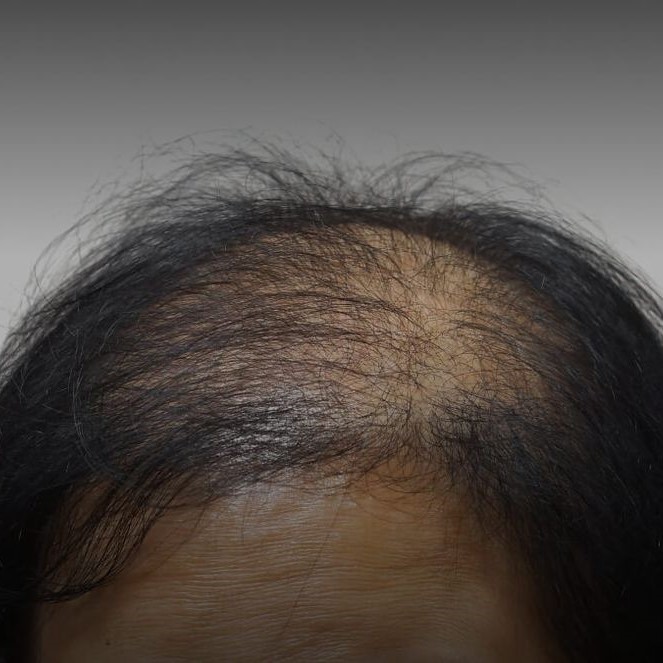
Hormonal imbalances can lead to hair loss, a concern for many men. Here are effective treatment options:
- Medication: Drugs like Finasteride and Minoxidil can help. They reduce DHT levels and promote hair growth.
- Lifestyle Changes: Adopting a healthier lifestyle can boost hormone balance. Focus on a nutritious diet and regular exercise.
- Stress Management: Reducing stress is key. Try activities like yoga or meditation to manage stress better.
- Hormone Replacement Therapy: In some cases, doctors might suggest hormone replacement. This can help correct testosterone imbalances.
- Natural Supplements: Supplements like saw palmetto may support hormone balance. They can also aid in hair growth.
It’s important to consult with a healthcare provider to choose the right treatment. They can offer guidance based on individual health needs. Always discuss potential side effects of any treatment.
The Future of Hair Growth Research: What’s Next?
The exploration into the connection between testosterone and hair growth is far from over. Researchers continue to delve into how hormonal fluctuations influence hair patterns in males. Upcoming studies are likely to uncover new insights that could lead to advanced treatments.
Advancements in genetic testing may allow for more personalized treatment plans. This could help predict an individual’s response to different therapies. In addition, scientists are investigating alternative medications that might offer fewer side effects than current options.
An exciting frontier is the study of stem cells and their potential role in hair regeneration. With stem cell research, there’s hope for creating new follicles or rejuvenating dormant ones.
Nutraceuticals are also gaining attention. These natural compounds aim to support hair growth from within. They are an area ripe for development, with research looking into various plant extracts and their effects on hair health.
Another potential avenue is the enhancement of topical treatments. These products can directly affect the scalp and hair follicles. They may improve hair density or prevent further hair loss.
Lastly, lifestyle modifications remain a significant area of interest. A better understanding of how diet, exercise, and stress impact testosterone and hair growth could offer non-invasive ways to improve hair health.
The question, ‘does testosterone increase hair growth in male,’ will continue to guide research efforts. With ongoing studies and innovations, the future holds promise for individuals facing hair loss due to hormonal imbalances.