Introduction
Hair growth is a topic that has fascinated people for centuries, with countless myths and tips circulating on how to achieve longer, healthier locks. One of the most debated aspects is when to cut hair for growth. Many believe that frequent trims can stimulate growth, while others argue that less is more. In this article, we will explore the science behind hair growth, the role of regular trims, and identify the best times to cut your hair to maximize its potential. By the end, you’ll have a clear understanding of how to incorporate haircuts into your routine for optimal results.
The Haircut Basics
When determining when to cut hair for growth, it’s crucial to grasp the haircut basics. This sets the stage for a healthy hair journey and allows for intentional decisions about hair maintenance. Understanding these basics guides us in setting proper grooming routines that cater to our individual hair needs.
Trim vs. Cut: Understanding the Difference
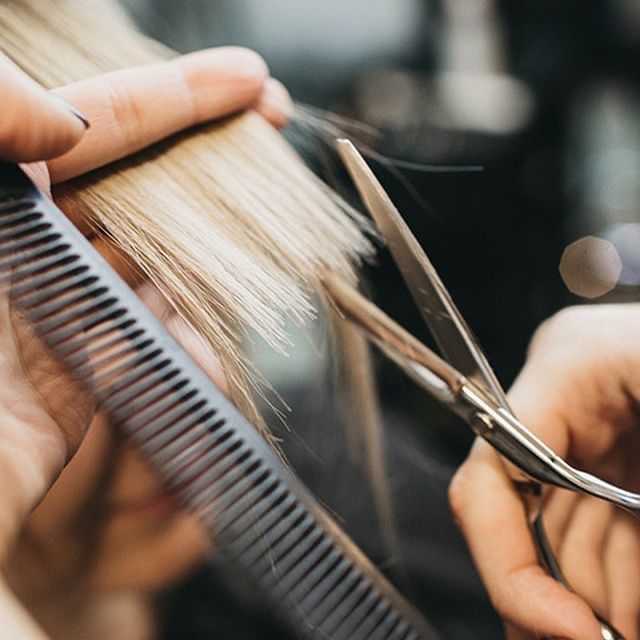
Knowing the difference between a trim and a cut is fundamental for hair care. A trim involves cutting a small amount of hair, usually an inch or two. It helps eliminate split ends and maintains hair health. A cut, on the other hand, means removing more hair, often changing the hairstyle significantly. Both serve different purposes. Trims are for upkeep, preventing damage, and promoting growth. Cuts adjust hair length and style, sometimes necessary when hair is severely damaged or when desiring a fresh look. Plan your salon visits based on what your hair requires. Opt for a trim when it’s just about maintaining health, and go for a cut when a transformation is needed.
Hair Length and Trimming Frequency
Finding the right time for a trim can help maintain hair vitality and encourage growth. The frequency of hair trims often varies based on the length of your hair.
Short Hair: Higher Maintenance Requirements
Short hair often requires more attention to keep its shape. Styles like bobs or pixie cuts can lose their form within weeks. Experts suggest scheduling trims every six weeks for short hair to preserve its desired appearance.
Medium-Length Hair: Balancing Health and Style
For those with medium-length hair, a trim every six to 12 weeks works well. This schedule balances the need for healthy ends while maintaining style. Consider hair texture and growth rate when planning trims.
Long Hair: Less Frequent Trims for Strong Strands
Long hair typically demands trims less often, recommended every 10 to 12 weeks, especially if the hair is healthy and strong. This interval helps manage split ends and maintain the hair’s overall health.
Hair Type, Texture, and Trim Scheduling
Navigating the best trim schedule involves understanding your hair type and texture. Different hair types may require varying frequencies of trims to maintain their health and appearance. Here’s how you can decide when it’s time for a trim based on your specific hair type.
Fine Hair: Regular Trims for Maintenance
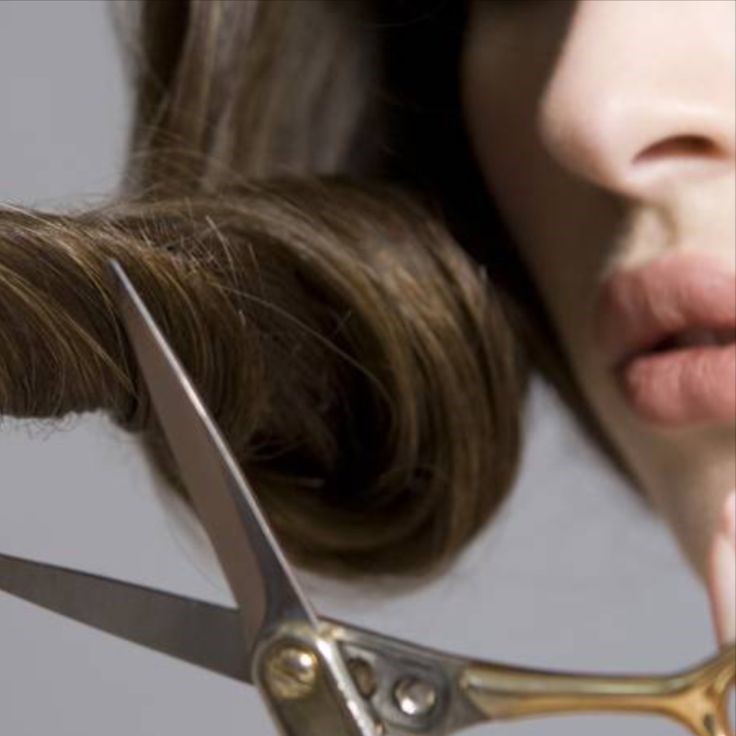
If you have fine hair, regular trims are crucial to prevent it from appearing stringy and damaged. It tends to grow slower and show damage more quickly, making frequent cuts essential to maintaining its health and style. Professional hairstylists recommend trimming fine hair every four to eight weeks, depending on its length and the look you’re aiming for.
Thick Hair: Longer Intervals Between Trims
Thick hair, on the other hand, can go longer between trims. This type of hair often withstands more from styling tools and treatments thanks to its volume and density. If you don’t experience major damage or split ends, extending the interval between trims to every eight to twelve weeks is generally safe and effective in keeping your hair healthy.
Curly, Coily, and Textured Hair: Special Considerations
Curly, coily, and textured hair needs a tailored approach. Due to its natural dryness and tendency to tangle, regular trims are significant to maintain the hair’s shape and prevent split ends. Hairstylists advocate for trimming textured hair every six to eight weeks. This frequency helps keep the curls’ shape intact and prevents the hair from becoming brittle and breaking, regardless of its length.
Addressing Hair Damage
When dealing with damaged hair, the approach to cutting can be drastic. It’s essential to assess the damage and base the cutting needs accordingly.
Severity of Damage Dictates Cutting Needs
Damaged hair often requires more than just a trim. If your hair shows signs of severe breakage, split ends, or brittleness, a significant cut may be necessary. Experts agree that once hair is badly damaged, especially from over-bleaching or excessive heat styling, cutting away the compromised sections is vital. This not only prevents further damage but also encourages healthier hair growth. Consider starting with as much of a cut as you’re comfortable with and then follow up with frequent trims.
A healthy hair care routine is crucial for hair to recover. This might include treatments, focusing on moisture, and regular salon visits for trims. Remember, recovery is a team effort between you and your hairstylist.
Transitioning to Natural Hair: A Strategy for Trims
If you are transitioning to your natural hair texture, regular trims are vital. This process may require you to trim your hair as often as every four weeks. Doing so helps remove damaged ends, which allows your natural curls or texture to bounce back to life. It is also crucial to keep an eye out for dryness. Using moisturizing products between salon visits can greatly benefit the transition process.
Remember that when to cut hair for growth, especially when working with damage or transitioning hair types, is unique to each individual. Pay attention to your hair’s needs and work closely with a professional to achieve the best results.
Keeping Your Hair Healthy Between Salon Visits
Ensuring your hair remains healthy between salon visits is essential. Health begins at the root with the right care and products at home.
Home Care: Scalp Treatments and Proper Products
A healthy scalp is the foundation for healthy hair growth. Start by incorporating scalp scrubs into your routine. These treatments help remove buildup and improve blood circulation. Use protein hair treatments to repair and strengthen hair strands.
Choose hair products that match your hair’s needs. Moisturizing shampoos and conditioners keep your hair hydrated and less prone to breakage. Be consistent with using leave-in conditioners, especially those with nourishing ingredients like keratin and natural oils.

Heat Styling: Protecting Your Hair from Damage
Heat styling can cause significant hair damage if not done properly. Always apply a heat protectant before using any hot tools. These products act as a barrier, reducing moisture loss and preventing breakage.
Limit the frequency of heat styling. Consider air-drying your hair or using heat-free styles more often. If you must use heat, choose tools with adjustable settings. Keep the temperature as low as possible to achieve your desired style without excessive damage.
Regularly trimming, using the right products, and being cautious with heat can keep your hair healthy between salon visits. This helps maintain its strength, shine, and overall health.
Conclusion
Identifying the best time to cut hair for growth involves a combination of understanding your hair’s natural growth cycles, maintaining regular trims, and considering seasonal and lifestyle factors. While frequent trims do not directly increase the rate of hair growth, they do help to keep your hair in optimal condition, which can make it appear to grow faster. By following the tips outlined in this article, you can create a hair care routine that supports healthy, vibrant hair. Remember, consistency is key, and with the right approach, you can achieve the long, luscious locks you desire.