Introduction to Hair Growth Challenges
Facing thinning hair or hair loss can be a distressing experience. But why does it happen? Many factors contribute to hair growth challenges. Genetics play a role, as some of us are predisposed to shedding more hair than others. Hormonal changes, like pregnancy or menopause, often impact hair volume and health. Environmental factors such as stress, pollution, and diet also have effects. Using harsh chemical products can strip hair of natural oils, leading to breakage and loss. Recognizing these challenges is the first step in overcoming them. This blog offers DIY solutions using natural ingredients for healthier hair growth. Stay with us as we explore a homemade hair growth serum that combines nature’s goodness to aid in your hair growth journey.
Benefits of Natural Ingredients for Hair Care
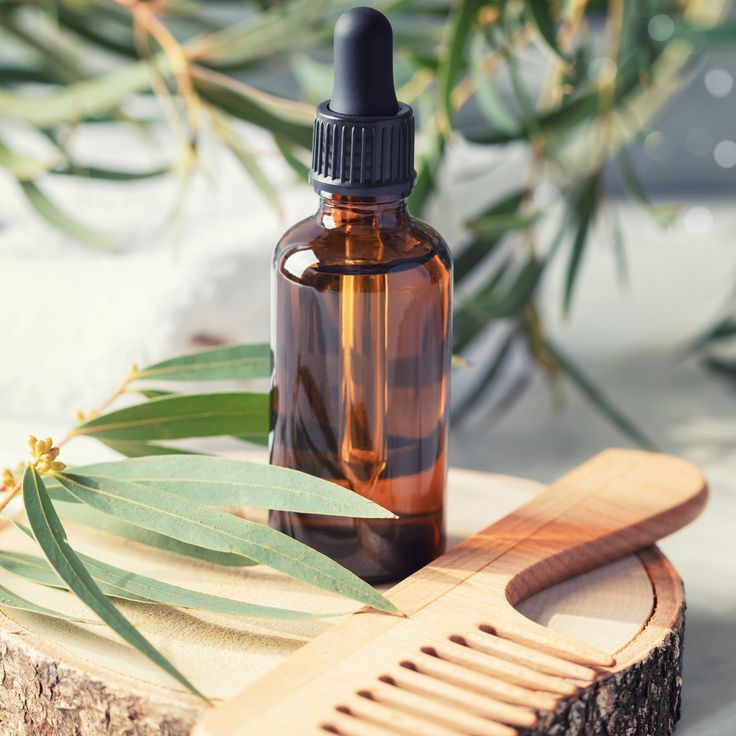
Natural ingredients for hair care offer numerous benefits, making them highly sought after for DIY hair growth serums. These ingredients are gentle on the scalp and hair, reducing the risk of irritation and damage compared to synthetic products. Furthermore, they are packed with vitamins, minerals, and other essential nutrients that nourish the hair follicles, promoting healthier and faster hair growth.
Essential Oils for Hair Growth
Essential oils such as rosemary, peppermint, and lavender are integral to any hair growth serum. Rosemary oil stimulates the scalp, improving blood circulation and promoting hair density. Peppermint oil is known for its invigorating properties, which help to increase the number of hair follicles and enhance their depth, resulting in stronger, thicker hair. Lavender oil, on the other hand, is celebrated for its soothing effects. It reduces scalp inflammation and is effective in treating dandruff, paving the way for healthier hair growth.
Carrier Oils as Nutrient-Rich Bases
Carrier oils like jojoba, coconut, and castor oil serve as the base for your DIY serum. Jojoba oil closely resembles sebum, the natural oil produced by our scalp, making it an excellent moisturizer and protector for the hair. Coconut oil penetrates the hair shaft, providing deep nourishment and protecting against heat and environmental damage. Castor oil is rich in ricinoleic acid, which not only supports hair growth but also combats scalp infections and dandruff.

Natural Additives for Enhanced Benefits
Adding natural ingredients such as aloe vera, onion juice, or even saw palmetto can amplify the efficacy of your hair serum. Aloe vera is a natural conditioner that leaves hair smooth and shiny, while onion juice is rich in sulfur, which effectively fights hair fall. Saw palmetto could also be an exciting addition as some evidence suggests it may help with hair retention and density. Remember to test each ingredient on a small patch of skin before applying it to your scalp to ensure there is no allergic reaction.
By harnessing the power of these natural components, you can create a potent DIY hair growth serum that is both effective and nurturing for your hair. This approach not only allows for customization based on individual hair needs but also offers a safer and potentially healthier alternative to commercial hair care products.
Step-by-Step Guide: Mixing Your Own Hair Serum
Creating your own DIY hair growth serum is not only simple, but it also allows for customization to suit your specific hair needs. Here’s a straightforward guide to making your own hair serum at home.
- Choose Your Carrier Oils: Start with a base of carrier oils like jojoba, coconut, or castor oil. These oils will form the foundation of your serum, offering deep nourishment and conditioning.
- Select Essential Oils: Add a few drops of essential oils such as rosemary, peppermint, or lavender. These oils are key to stimulating hair growth and providing additional benefits.
- Consider Natural Additives: For extra strength, consider including natural extracts like aloe vera or onion juice. These can help combat hair fall and support overall hair health.
- Mixing Your Ingredients: In a clean bowl or bottle, combine the carrier oils with the chosen essential oils. If using, add your natural additives and mix well until all components are thoroughly combined.
- Storage: Transfer your hair serum to a glass bottle with a dropper. This will make the application process cleaner and more precise.
- Patch Test: Before applying the serum to your hair, do a patch test on your skin. This ensures you don’t have an allergic reaction to any of the ingredients.
- Regular Application: Apply a few drops of the serum to your scalp and hair, massaging gently. For best results, use on damp hair after washing.
By following these steps, you’re sure to create a potent hair growth serum tailored to your unique hair profile. With regular use, you may notice improved texture, reduced hair fall, and healthier growth over time.
Key Ingredients and Their Roles
Creating an effective DIY hair growth serum involves combining various key ingredients, each serving a unique role in promoting healthy hair. These ingredients can be separated into essential oils, carrier oils, and natural additives, each contributing to the serum’s efficacy.
Essential Oils
Essential oils are concentrated plant extracts that have potent properties beneficial for hair health.
- Rosemary Oil: Boosts circulation to the scalp, aiding in hair growth.
- Peppermint Oil: Invigorates scalp and increases hair follicle count and depth, leading to thicker strands.
- Lavender Oil: Offers anti-inflammatory and soothing benefits, ideal for a sensitive scalp.
Carrier Oils
Carrier oils are used to dilute essential oils and carry them to your hair and scalp.
- Jojoba Oil: Mimics natural sebum, hydrating and protecting hair.
- Coconut Oil: Penetrates hair shafts for deep moisture and protection against damage.
- Castor Oil: Contains ricinoleic acid, which supports hair strength and reduces hair loss.
Natural Additives
Natural additives enhance the serum’s benefits and can tackle specific hair concerns.
- Aloe Vera: Conditions hair, leaving it smooth and shiny.
- Onion Juice: High in sulfur, it decreases hair fall.
- Saw Palmetto Extract: May help prevent hair thinning by blocking DHT, the hormone implicated in hair loss.
By understanding the roles of these ingredients, you can tailor your DIY hair growth serum to address your specific hair needs, leading to more effective results.
Application Tips for Maximum Efficacy
To ensure you get the best results from your DIY hair growth serum, follow these application tips:
- Wash Hair First: Apply the serum to clean, damp hair to maximize absorption.
- Use a Dropper: A dropper provides precise application and helps to distribute the serum evenly. Aim for the scalp where hair growth occurs.
- Massage Gently: Use your fingertips to massage the serum into your scalp. This increases blood circulation, enhancing the benefits of the serum.
- Don’t Overuse: Too much serum can weigh hair down. Just a few drops are sufficient.
- Consistent Routine: Use the serum regularly, at least 2-3 times a week, to see significant improvements.
- Avoid Heat Styling: After applying the serum, avoid heat styling tools, which can damage hair.
- Leave It Overnight: For deep conditioning, leave the serum on overnight and wash it out in the morning.
- Monitor Your Scalp: Pay attention to how your scalp feels. If you notice irritation, you might be allergic to an ingredient.
- Stay Patient: Hair growth takes time. Be patient and consistent with your serum application.
Using these tips will help you achieve the full potential of your homemade hair growth serum. Remember to be attentive to your hair’s response and adjust your routine as needed.
Troubleshooting Common Hair Serum Issues
When creating your DIY hair growth serum, you might encounter some common issues. Here are solutions to ensure effectiveness and safety.
Serum Consistency is Too Thick or Too Runny
Adjust the serum consistency by altering the ratio of carrier to essential oils. Add more carrier oil to thin out a thick serum, or increase essential oils slightly for a thicker consistency.
Serum Causes Irritation or Allergic Reactions
Always perform a patch test before full application. If irritation occurs, identify and remove the offending ingredient. Consider replacing it with a milder option.
No Visible Results After Short-Term Use
Hair growth takes time. Be patient and continue using the serum for at least a few months to evaluate its effectiveness.
Serum Smells Unpleasant
Some natural ingredients might have strong odors that are off-putting. Blend in a few drops of a fragrant essential oil like lavender or peppermint to improve the scent.
By addressing these common issues, you can enhance the effectiveness of your DIY hair growth serum and enjoy healthier, fuller hair.
Personalizing Your Hair Serum Recipe
Creating a hair serum that meets your unique needs is essential. Personalizing your recipe goes beyond following a basic formula. Consider your hair’s specific conditions and what it lacks. Oily, dry, thin, or thick – each type may require different ingredients.
Here are some tips when customizing your serum:
- Identify Hair Type: Dry hair may benefit from extra hydrating oils like argan or olive oil. Oily hair might need lighter oils such as grapeseed or almond.
- Target Specific Issues: Address problems like dandruff or itchiness by adding tea tree or neem oil.
- Experiment With Ratios: Start with small amounts when adding new ingredients. Adjust as needed.
- Add Favourite Scents: Essential oils like citrus or ylang-ylang can add a pleasing fragrance.
- Check for Reactions: Always perform a patch test, especially with new additions.
- Document Changes: Keep a record of what you add or remove. This helps track what works.
- Observe Results: Give your hair time to respond to the serum. Change one ingredient at a time.
Through trial and error, you’ll develop a serum that works best for your hair. It’s a chance to get creative and enjoy a product tailored just for you. Remember, what works for one person may not for another. Your perfect mix might be just around the corner.
Final Thoughts: Assessing the Impact on Hair Growth
After exploring the realm of homemade hair serums, it’s clear that natural ingredients can significantly impact hair health. Whether you’re struggling with hair loss or seeking to enhance hair growth, a DIY approach harnesses the beneficial properties of essential and carrier oils along with natural extracts.
Incorporating ingredients like rosemary, peppermint, and lavender essential oils brings forth their individual strengths. They stimulate the scalp, promote circulation, and soothe skin irritations. Using oils such as jojoba, coconut, and castor as bases supplies hair with essential nutrients, fostering a conducive environment for growth.
Personalization is key in making a hair serum that’s just right for you. By considering your hair’s specific needs and experimenting with ingredient ratios, you can craft a serum uniquely suited to your hair type. This tailored approach means your hair receives exactly what it needs, nothing less, nothing more.
Consistent application, ideally after washing your hair, allows the serum to seep into the follicles and scalp, delivering its beneficial compounds where they’re needed most. Over time, you can expect to see a difference in the form of stronger, healthier, and more vibrant hair.
It’s important to stay patient, as hair growth is a gradual process. Trust that the natural goodness of your DIY serum, used regularly, will foster the growth and strength of your hair. Documenting changes in your hair over time will help you assess the serum’s impact, enabling further customization.
In summary, crafting a DIY hair growth serum is more than just mixing oils; it’s about embodying a commitment to nurturing your hair with nature’s best. Give your hair the time to adapt and respond, and you may just find yourself rewarded with the lush, healthy hair you’ve been aspiring to achieve.